Blog Feed

Art from the Garden

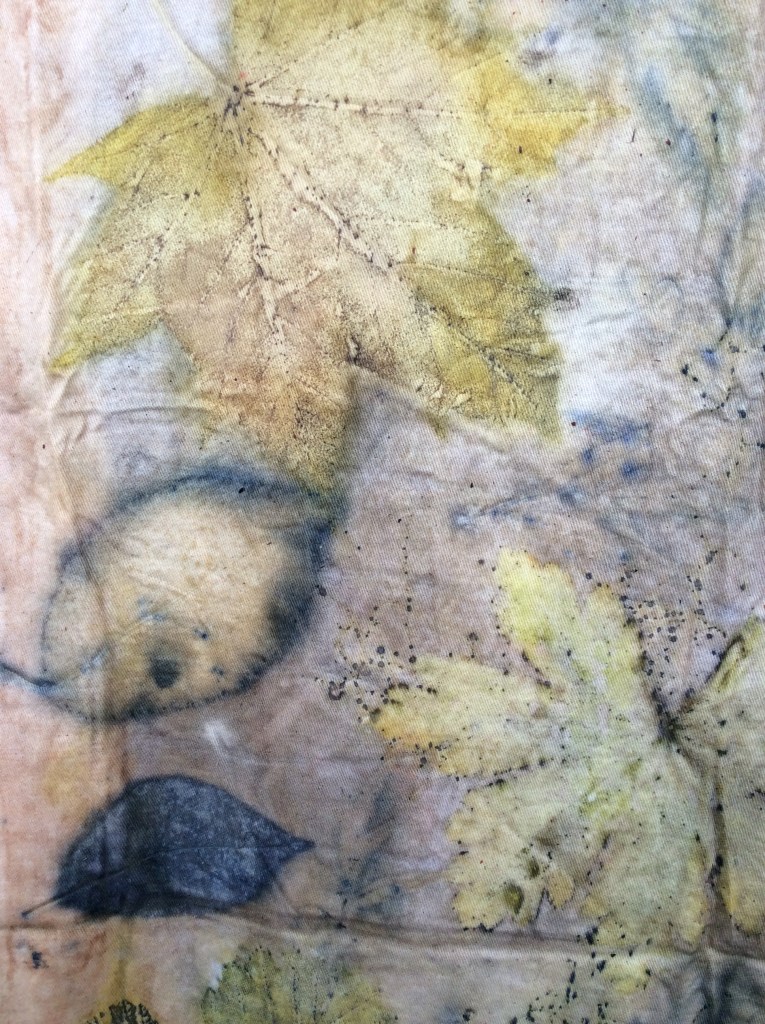
Learning how to make ecoprints and natural dye colours over the past year has been a mindful fusion of botany, history, alchemy and upcycling. Many people have asked me how I have made items. I hope to share some of the learning journey, experiences, discoveries and results here.

Kirsty Sutherland

Be yourself; Everyone else is already taken.

Oscar Wilde
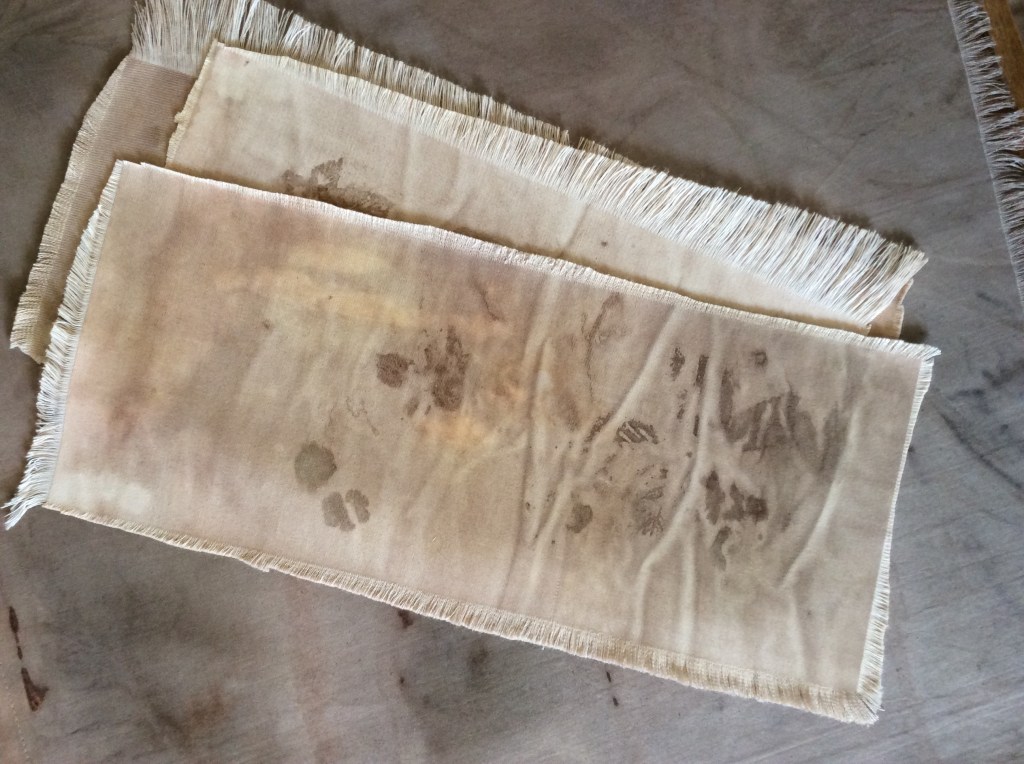
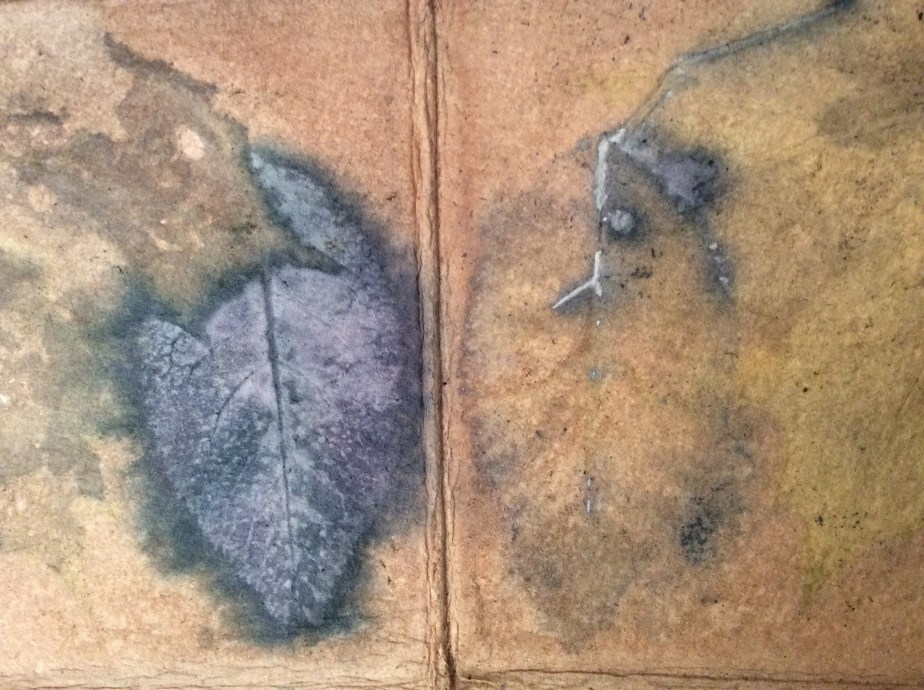
  • Spring of 2019 gave me an unexpected opportunity to delve into the the natural history of Granton’s lost medieval garden. Respecting the beautiful environment I found myself in, with its abundance of life and fertility. Revelling in the diversity of leaf shapes and textures of plants flourishing in the wild garden as they came and went during 2019. Recording their fleeting impressions and colours. Exploring, admiring and documenting the seasonal flora of the garden with experimental botanical art.
  • I hope this sustainable use of the land and plants themselves to make art at the garden will help connect more people to the environment
  • Encourage visitors to Granton Castle Garden to try ecoprinting or upcycling clothing and fabrics using natural colours. Help fundraise through arts and crafts sales to provide facilities for the ‘saggy roof’ studio and workshops at the garden later in the year.

Something Blue

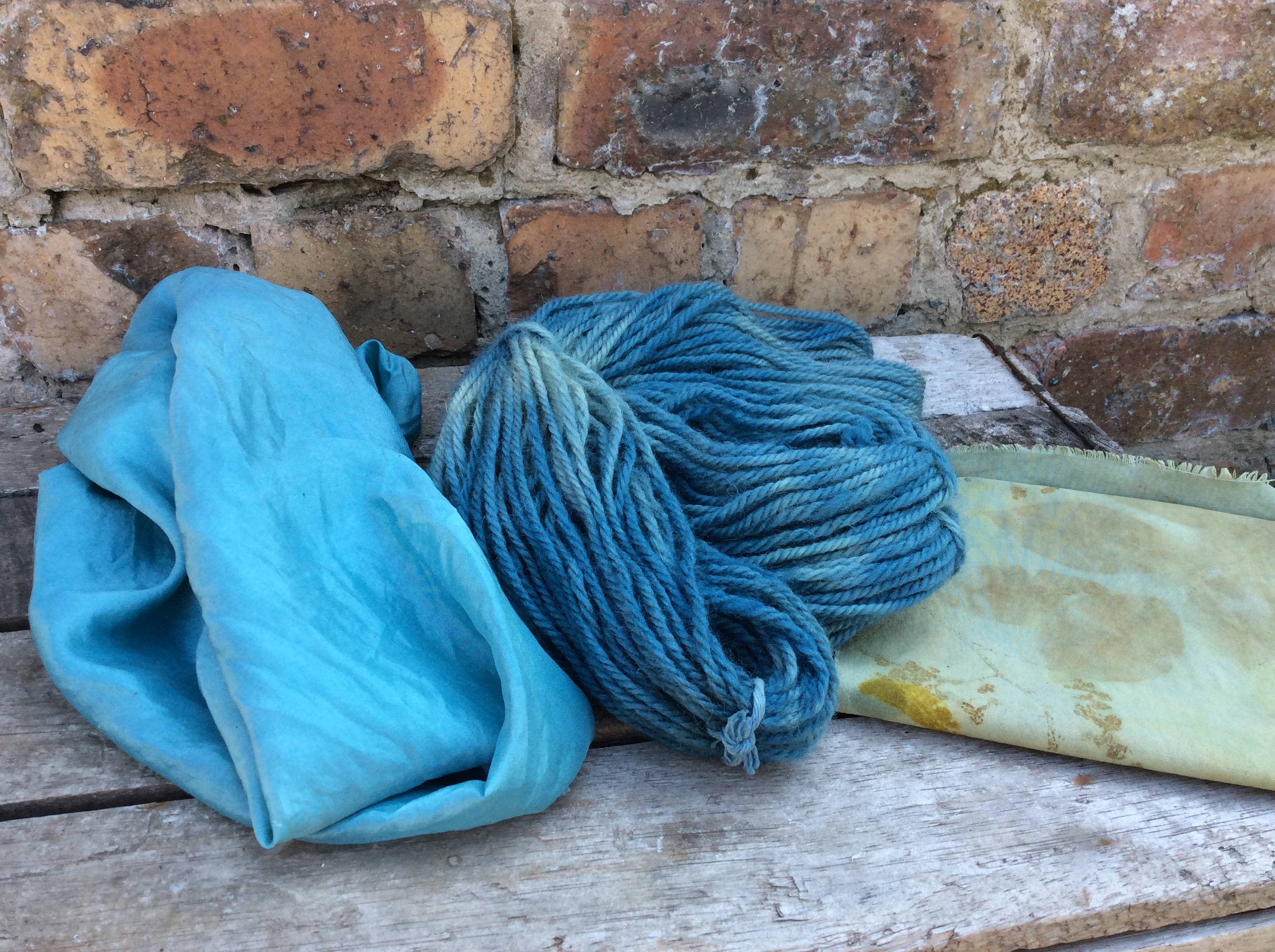
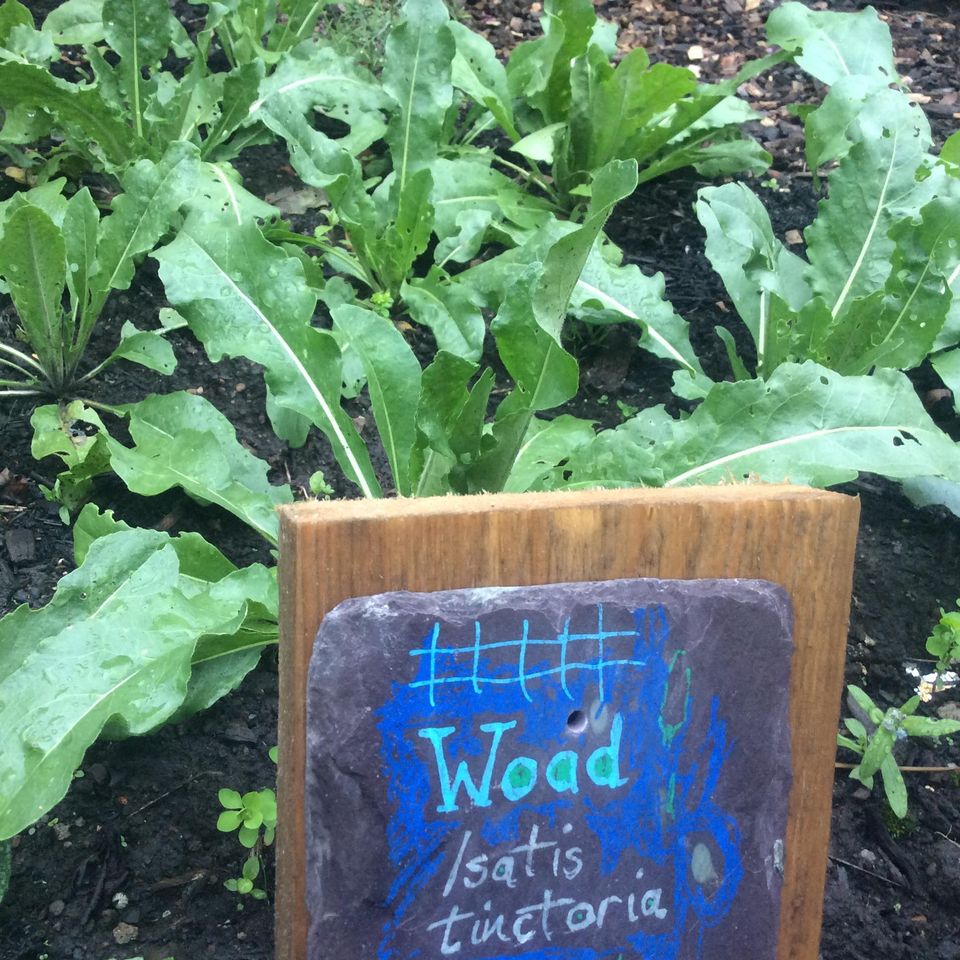
The search for the perfect blue with precious woad seed donated by Professor Hill in particular has been very inspiring to me. I found the historic links to the Picts, ancient Britons and medieval natural dyes made in the UK fascinating. A marriage of old and new growing and dyemaking techniques during 2021 has proved to be incredibly rewarding on a personal level.

The original woad seed I grew this season was collected from nearby one of the last woad farms in England by Dr Hill sr. in 1915, when he was a teenager. https://docksci.com/dr-robin-hill-natural-dyes_5bb1ed39d64ab20ba16fd5de.html

Grown on and selected for dyemaking for over 50 years the tradition was carried forward by his son, Prof David Hill, and later used as part of a European project to look at the viability of woad growing at agricultural scale.

This year spring arrived late and I started woad and Japanese indigo seed in trays under cover to help germination in the cold weather. The ‘woadlings’ took off when in the earth thanks to one of the hottest summers in years. I continued on to extract the pigment and trial several methods of dyeing silk and wool. The simplest ancient use of the fresh leaves appealed to me in the medieval walled garden setting, requiring few ingredients but lots of patience, observation and elbowgrease!

It is my hope to continue growing this rare accession of woad, Japanese indigo and other dyeplants like madder and weld to provide primary colours for seasonal dyemaking at the walled garden. With this in mind I have opened a short questionnaire to help gauge interest , plan the dyeplant garden & facilities for workshops beginning in the spring of 2022. Would love to hear your views if you can spare a couple of minutes? https://www.surveymonkey.com/r/9HRCF8K

Kirsty Sutherland

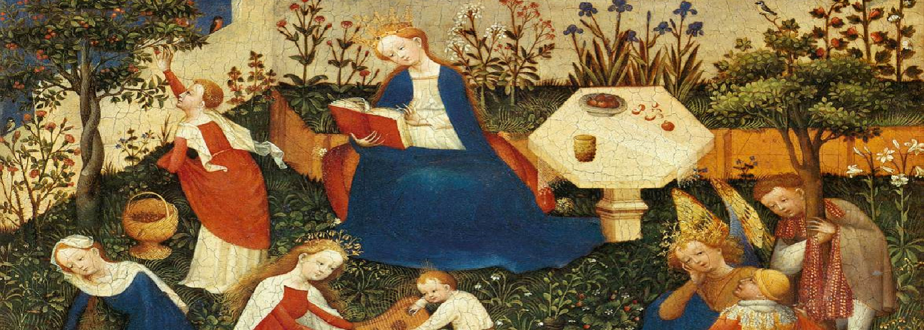
Medieval colour

2019 brought ‘anything but gardening’ to Granton and many questions about the way colours were made in the past.

Now that almost a year has passed since I began making botanical prints and natural dyes at Granton’s lost medieval garden I hope to build on this knowledge and passion. Share techniques learned through demonstrations and events at the garden.

Plans include a tiny dyeplant garden to grow some of the historic plants used to make the colours red, yellow and blue…to begin with. Always mindful of the environment and continuing to develop low impact methods to make ecoprints and colour without causing pollution.

Sustainable practices like gathering rainwater to soak carefully harvested bark, berries, roots, flowers and leaves have provided the ingredients to make natural dyes and botanical prints. Waste wood to fuel the ‘magic’ rocket stove and a few old pots at Granton Castle Garden to transform donated cloth and paper into something inspiring and useful.

Spring is beginning to show signs of arriving in 2020 and I look forward to seeing the world with fresh eyes on my wanders foraging around the city greenspaces I love; gardens, parks and cycletracks.